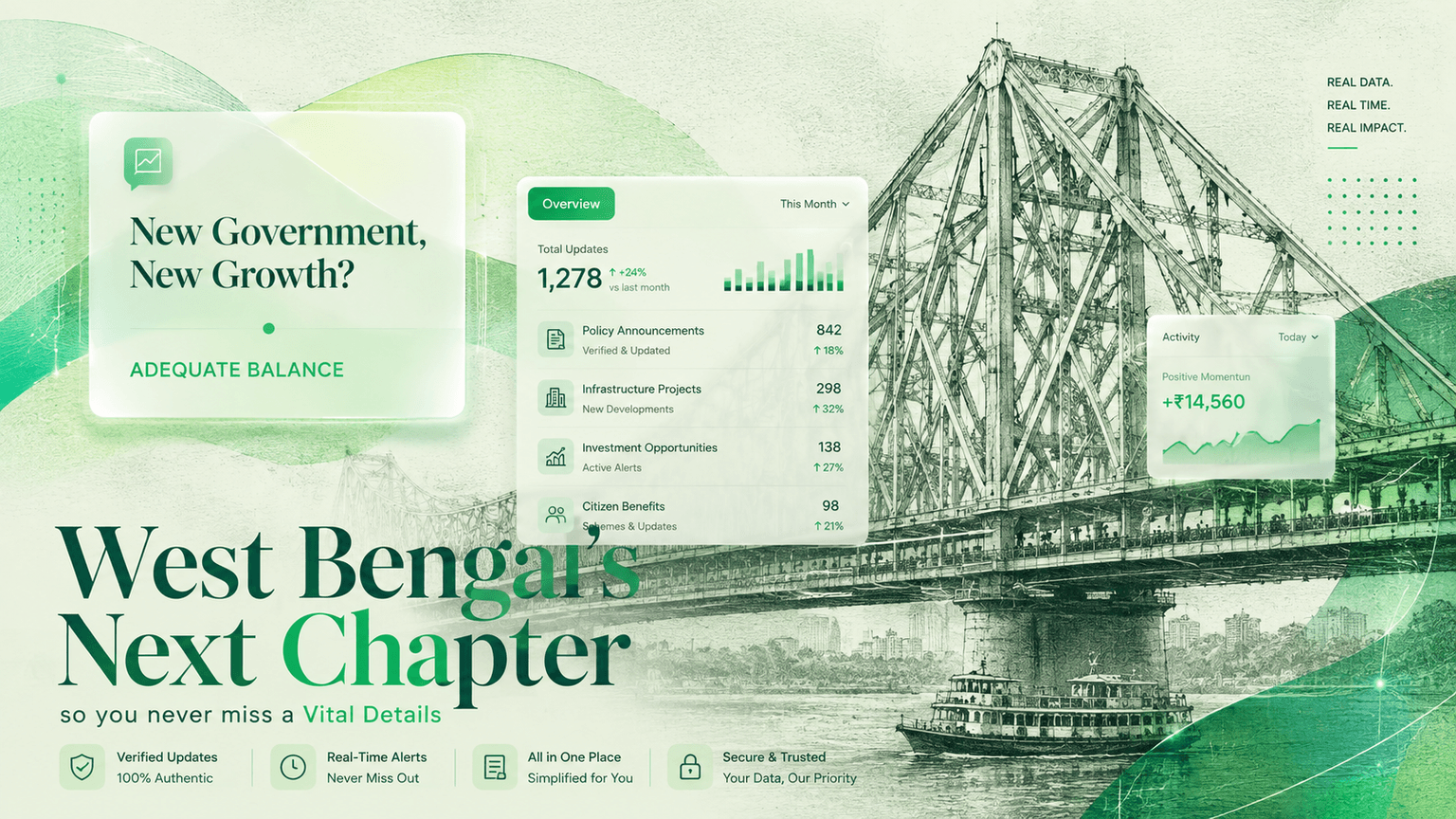
West Bengal's Next Chapter: A First-Mover's Guide to the Post-Election Property Market
Hey everyone, grab your coffee. Let's talk about something that’s buzzing in the investor circles I frequent: West Bengal real estate. Specifically, what the future might hold for the property market under a new political direction.
Now, let's be clear. This isn't about politics. This is about spotting potential market shifts before everyone else does. I’ve been digging into the sentiment, the whispers, and what the first signs of a trend look like. One particular piece of market chatter has caught my attention: a forecast suggesting a potential “Kolkata Real Estate Boom Begins in 2026” (linkedin.com). This is big, and it’s tied to the idea of “New Government, New Growth?” (linkedin.com).
When you hear talk like this, it’s time to pay attention. It’s not about rushing in, but about understanding the opportunity. Let's break down what this means for you as a potential investor.
Who Will Build West Bengal’s Future?
Right now, if you're looking for a long list of active builders and their newly launched projects in West Bengal, you're a bit early to the party. And that’s exactly the point. The current landscape isn’t flooded with under-construction towers from big national players just yet. Think of it as the quiet before the potential storm.
The real story isn't about who is building today, but who will be building tomorrow. A pro-growth political environment, as hinted by the “New Government, New Growth?” narrative, is like a magnet for developers. They are always scouting for the next big growth corridor. If market sentiment shifts and the economic outlook brightens, you can bet that developers who have been sitting on the sidelines or holding land banks will start moving.
The opportunity here isn't in a specific payment plan or launch price today. The opportunity is in positioning yourself to benefit when those announcements start rolling out. The investors who get in before the first concrete is poured are often the ones who see the most significant appreciation.
West Bengal's Opportunity vs. Mature Markets
To understand the potential in West Bengal, it helps to compare it not to a neighboring suburb, but to a different type of market altogether. You're not buying into a well-established, data-heavy market like Mumbai or Bangalore. You're looking at a sentiment-driven opportunity. It's a different game with different rules.
Here’s a simple breakdown of how they stack up:
| Feature | Sentiment-Driven Market (Today's West Bengal) | Data-Driven Market (e.g., Mumbai, Bangalore) |
|---|---|---|
| Primary Driver | Future projections, market sentiment, political shifts | Historical data, current demand-supply, infrastructure completion |
| Data Availability | Low. Hard numbers are scarce. | High. Price trends, sales velocity, and inventory are tracked quarterly. |
| Risk Profile | Higher. Based on a forecast that may or may not materialize. | Lower to Moderate. Based on established trends. |
| Potential Reward | Very High. “First-mover advantage” can lead to significant capital appreciation. | Moderate to High. Steady, predictable growth. |
| Ideal Investor | High-risk tolerance, forward-looking, comfortable with ambiguity. | Data-focused, seeks proven performance and lower risk. |
As you can see, West Bengal's property market currently falls squarely in the first column. The play here is for investors who see value in getting ahead of the data, not waiting for it.
The Buzz on the Ground: What Early Investors Are Saying
If you listen closely, you can already hear the narrative forming. It’s not happening in mainstream property listings; it’s in conversations between seasoned investors. The core idea they're discussing is simple: market sentiment is often a leading indicator of price movement.
The phrase “New Government, New Growth?” (linkedin.com) isn't just a catchy headline; it's a summary of this sentiment. It suggests a potential shift away from the old way of doing things towards a more business-friendly environment that could unlock economic growth. Real estate is always one of the first and biggest beneficiaries of such a shift.
Another key phrase being passed around is the idea of a “Kolkata Real Estate Boom Begins in 2026” (linkedin.com). This specific timeline, even if speculative, creates a sense of a “window of opportunity.” Investors are talking about this as a chance to enter the market at today's prices, ahead of a potential upswing. The argument is that by the time this boom is confirmed with hard data in 2026, the best entry points will be long gone.
This is the ground-level texture that listings don't show you. It's the story behind the market, and right now, that story is one of anticipation.
What 'New Growth' Could Mean for Infrastructure
Let’s be direct: there are no major, newly announced infrastructure projects in the official records just yet. But that’s looking in the rearview mirror. The real question is, what does a “New Growth” agenda typically entail?
Any government serious about attracting investment and kickstarting a boom knows that capital follows infrastructure. Think about it:
- Connectivity is Key: A pro-growth agenda would almost certainly prioritize new highways, metro line extensions, and airport upgrades. Why? Because businesses and talent need to move efficiently. Every new road or metro station creates a new micro-market and pushes up property values along its corridor.
- Unlocking New Hubs: Investment in infrastructure isn't just about easing commutes; it's about creating new economic centers. A new arterial road can turn sleepy suburbs into thriving residential hubs. A new logistics park can create thousands of jobs, fueling demand for housing nearby.
While we don't have the blueprints today, the logic is sound. If the sentiment of “New Government, New Growth?” proves true, a major infrastructure push is a predictable and necessary consequence. Investing now is a bet on that logical next step.
Your Questions, Answered
I get a lot of DMs when a market starts to bubble with this kind of talk. Here are the most common questions you're probably asking yourself, with my straight-up answers.
Is it really a good time to invest in West Bengal property now?
This depends entirely on your investor profile. If you want a safe, predictable return based on years of data, this isn't for you yet. But if you have a higher risk tolerance and want to capture the massive upside that comes with being a first-mover, this is the exact moment you should be paying attention. The greatest returns are often made by those who act on foresight, just before a trend becomes obvious.
This ‘2026 boom’ sounds speculative. Where is the hard data?
You're right, it is speculative. But that’s where the opportunity lies. As one market analyst put it, there's a potential boom linked to the new political landscape (linkedin.com). By the time hard data confirms the trend, the prices will have already baked in that good news. This is your chance to get in before the market fully prices in the positive sentiment.
What kind of returns can I realistically expect?
Anyone giving you a specific number right now is selling you fiction. No historical data can model this kind of sentiment-driven shift. The selling point isn’t a guaranteed 15% ROI; it's the potential for high capital appreciation if the 'boom' forecast proves accurate (linkedin.com). You are investing in the potential for a market re-rating.
So, who is the ideal buyer for this opportunity?
The ideal buyer is a savvy, high-risk tolerance investor. They are comfortable making decisions based on market sentiment and future projections, not just past performance. This is for someone who believes in the “New Government, New Growth?” story and wants to secure a first-mover advantage before it becomes common knowledge.
Tags & Categories
Checking out a specific developer?
Our team can walk you through a project's RERA filings, approvals and delivery record before you commit to anything.
Continue reading
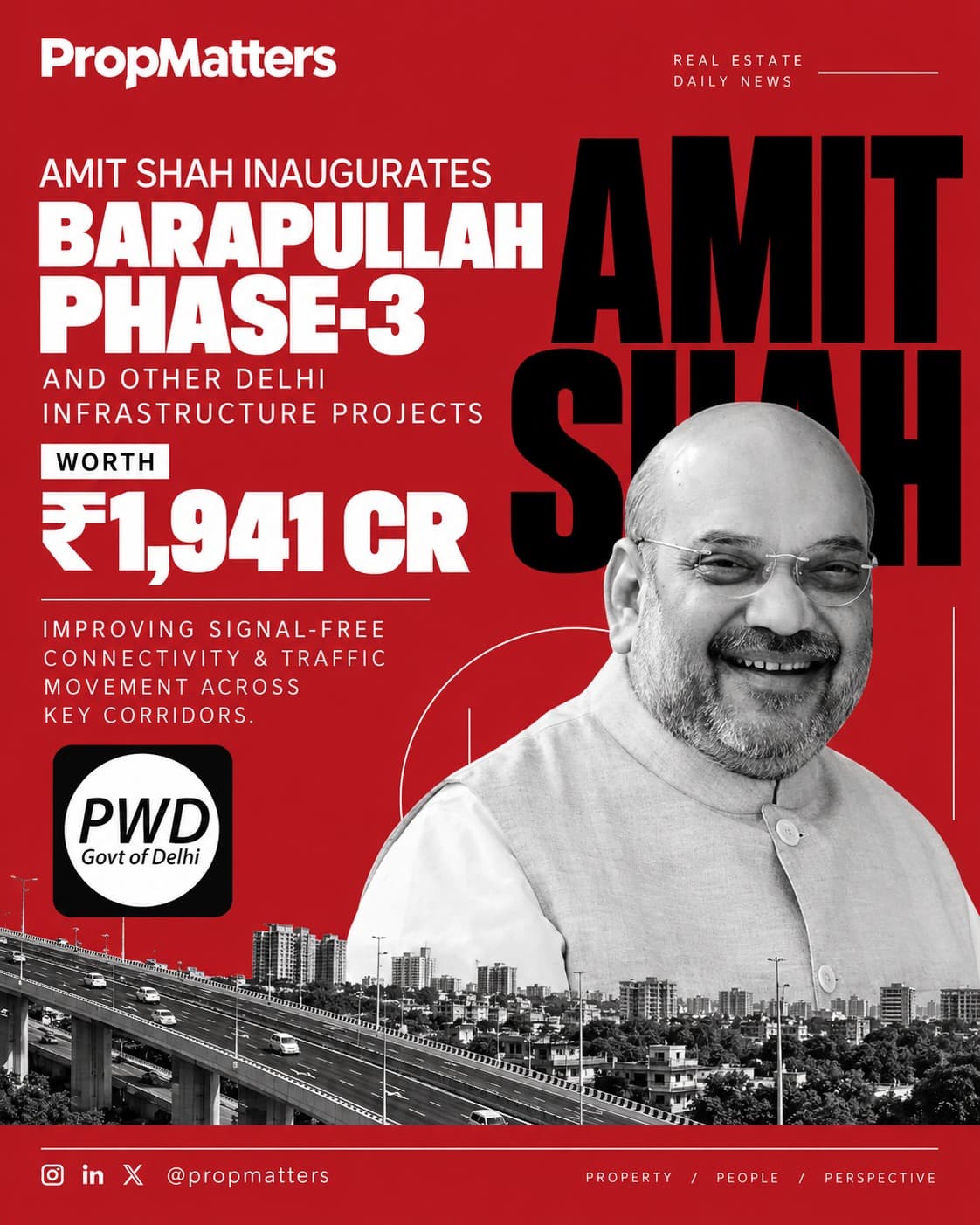
₹1,941 Cr. is reshaping Delhi’s roads
Read Article

Manjari Pune Insight: An Investor's Guide to Pune's Next Growth Corridor
I get this question over coffee all the time: "Where's the next big thing in Pune real estate?" For a while now, my answer has been…
Read Article
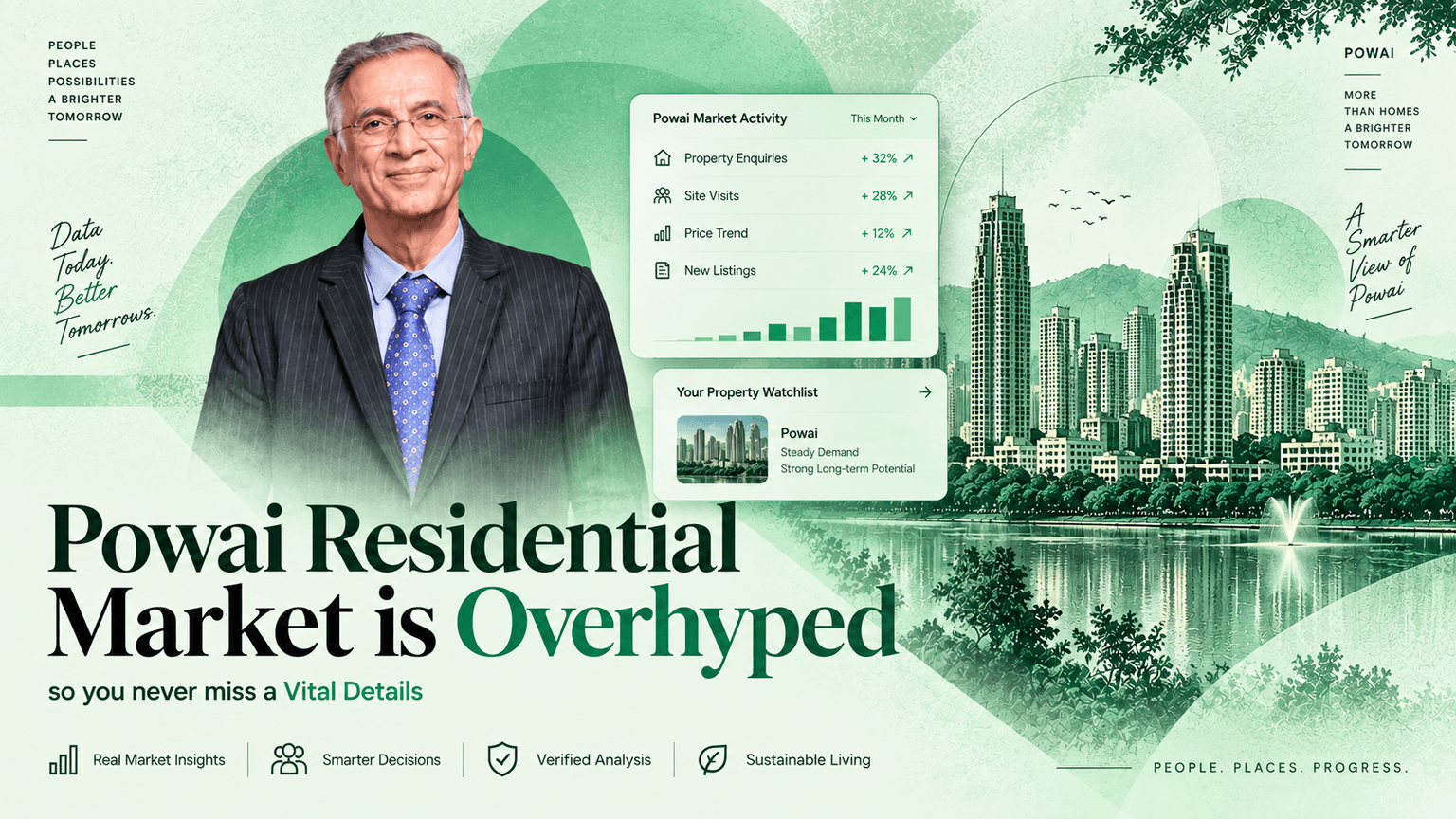
Is Powai Property Overvalued? A Data-Driven Look at the 'Hype'
You’ve heard the whispers, maybe even said it yourself over coffee: “Powai prices are insane,” or “Is Powai property overvalued?” It’s a…
Read Article